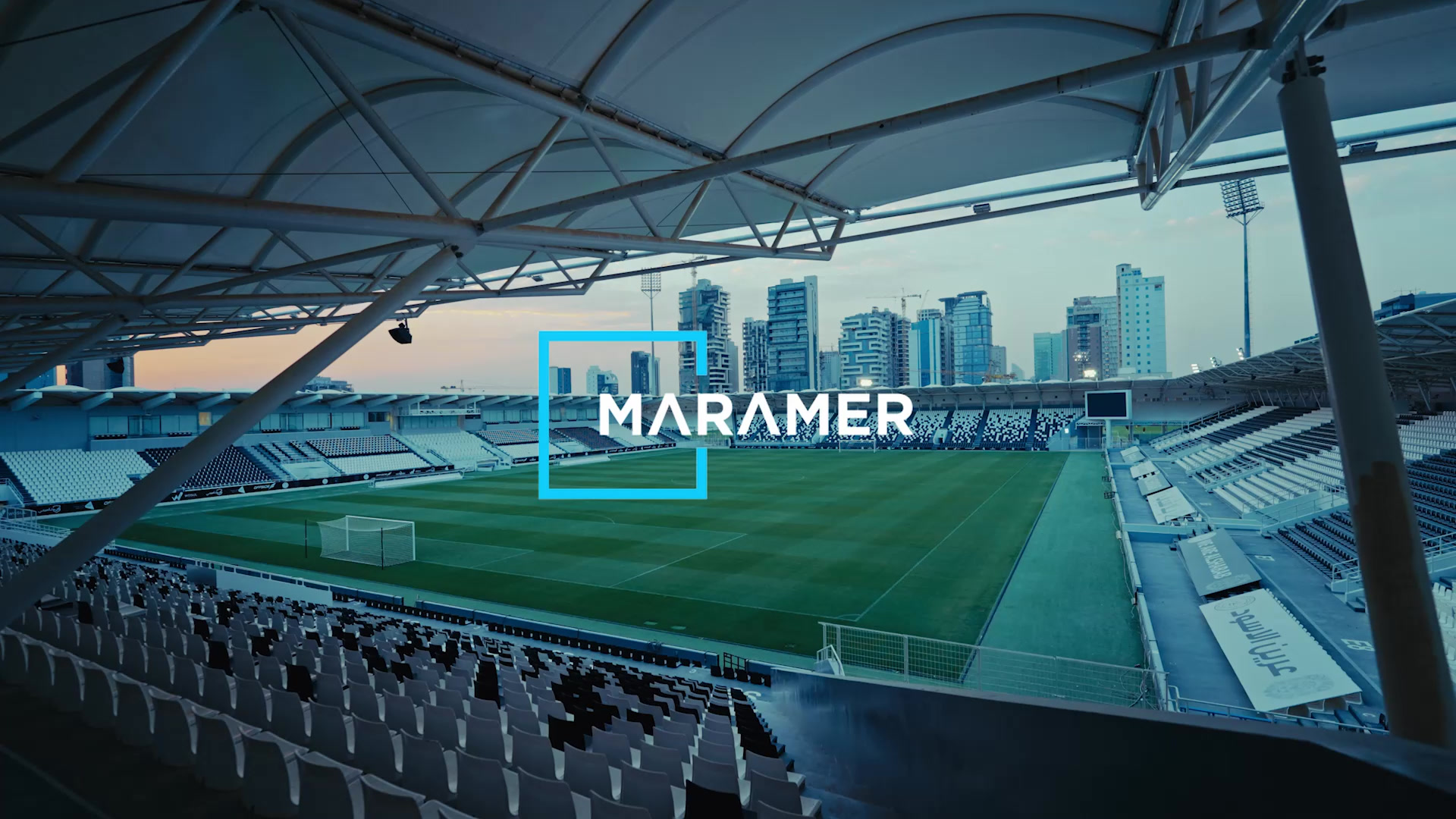
Ideative Studio provided comprehensive visual documentation of the Al Shabab Stadium renovation project by Maramer — capturing construction milestones and progress throughout the renovation for stakeholder reporting and project records.
Stadium renovations in Saudi Arabia operate under intense scrutiny from multiple stakeholders — sports authorities, government bodies, sponsors, and fans. Maramer needed professional visual documentation that could serve as both a credible progress reporting tool for institutional stakeholders and a compelling narrative of transformation for public-facing communications. The documentation had to be systematic enough for formal reports yet visually engaging enough to demonstrate the scale and ambition of the renovation.
We established a structured documentation protocol from the outset — consistent shooting positions, standardised angles, and scheduled capture intervals that allowed direct visual comparison between reporting periods. Beyond the systematic approach, we also captured the story of the renovation: the scale of the operation, the craftsmanship involved, and the transformation taking shape over time. Aerial drone photography provided the perspective that ground-level coverage alone cannot convey, giving stakeholders a clear understanding of overall progress and site logistics.
Maramer had a complete, professional visual record of the Al Shabab Stadium renovation — an asset that served immediate stakeholder communication needs and will stand as a permanent record of the project’s execution. The documentation gave all parties clear, visual evidence of progress against milestones, reducing ambiguity and building confidence throughout the renovation timeline.
Service: Construction Visual Reporting

NEOM, The Line, Qiddiya, Diriyah, Red Sea Global, King Salman Park — the list of active Saudi giga-projects is unprecedented in both scale and ambition. Combined, they represent hundreds of billions of riyals in construction activity, involving thousands of contractors, subcontractors, and consultants operating simultaneously across multiple sites.
At this scale, project management without visual documentation is not just inefficient — it is financially dangerous. Construction visual reporting has emerged as a discipline in its own right, and Saudi Arabia’s development boom is one of the primary drivers of its growth.
Construction visual reporting is a structured, scheduled documentation service that produces a verified photographic and video record of a project’s progress over time. Unlike ad-hoc site photography, it follows a defined methodology:
The primary users of construction visual reporting fall into three groups:
Developers and owners use it for investor reporting and board-level project updates. A structured visual record allows stakeholders who are not on-site to verify progress against schedule, assess quality, and identify potential delays before they become costly.
Contractors and project managers use it for internal milestone verification, quality control records, and dispute protection. In large multi-party contracts, visual records dated and timestamped at each phase provide an objective reference if scope or timeline disputes arise.
Marketing and communications teams use it to build the project’s public narrative — case study documentation, social content, press materials, and the project portfolio that supports future business development.
Vision 2030 has introduced a transparency and accountability expectation into Saudi construction that was less formalized a decade ago. Major project authorities, government clients, and international investors require structured progress reporting as a contractual obligation. Visual documentation is increasingly part of that requirement — not just a nice-to-have, but a deliverable.
For contractors and developers working on Vision 2030-aligned projects, having a professional visual documentation provider on retainer is becoming standard practice, similar to how environmental or safety reporting is managed.
Effective construction visual reporting requires more than a photographer with a drone license. The best providers understand construction sequencing, know how to read a project schedule, and can identify the shots that will matter six months from now when a specific phase needs to be referenced. They also understand site safety protocols, coordinate with site management teams, and operate without disrupting active construction.
Ideative Studio’s construction visual reporting service is built specifically for the Saudi market — with experience on mixed-use, commercial, and infrastructure projects across Riyadh and the wider Kingdom. Our reports are organized for both operational and executive use, and our scheduling is designed to align with project milestone calendars rather than arbitrary calendar intervals.